i-CATS University College was first established in May 2002, as Kolej Teknologi PPKS, a subsidiary of Sarawak Skills. It was a college complementary to Sarawak Skills by offering diplomas in various program.
In line with its aspiration to be a premier provider of tertiary-level education to Malaysian and international students, Kolej Teknologi PPKS was rebranded as the International College of Advanced Technology Sarawak, i-CATS in August 2006.
On 3rd December 2020, i-CATS was elevated to a University College by the Ministry of Higher Education. This momentous milestone marked the beginning of a new chapter – the birth of i-CATS University College, i-CATS UC.
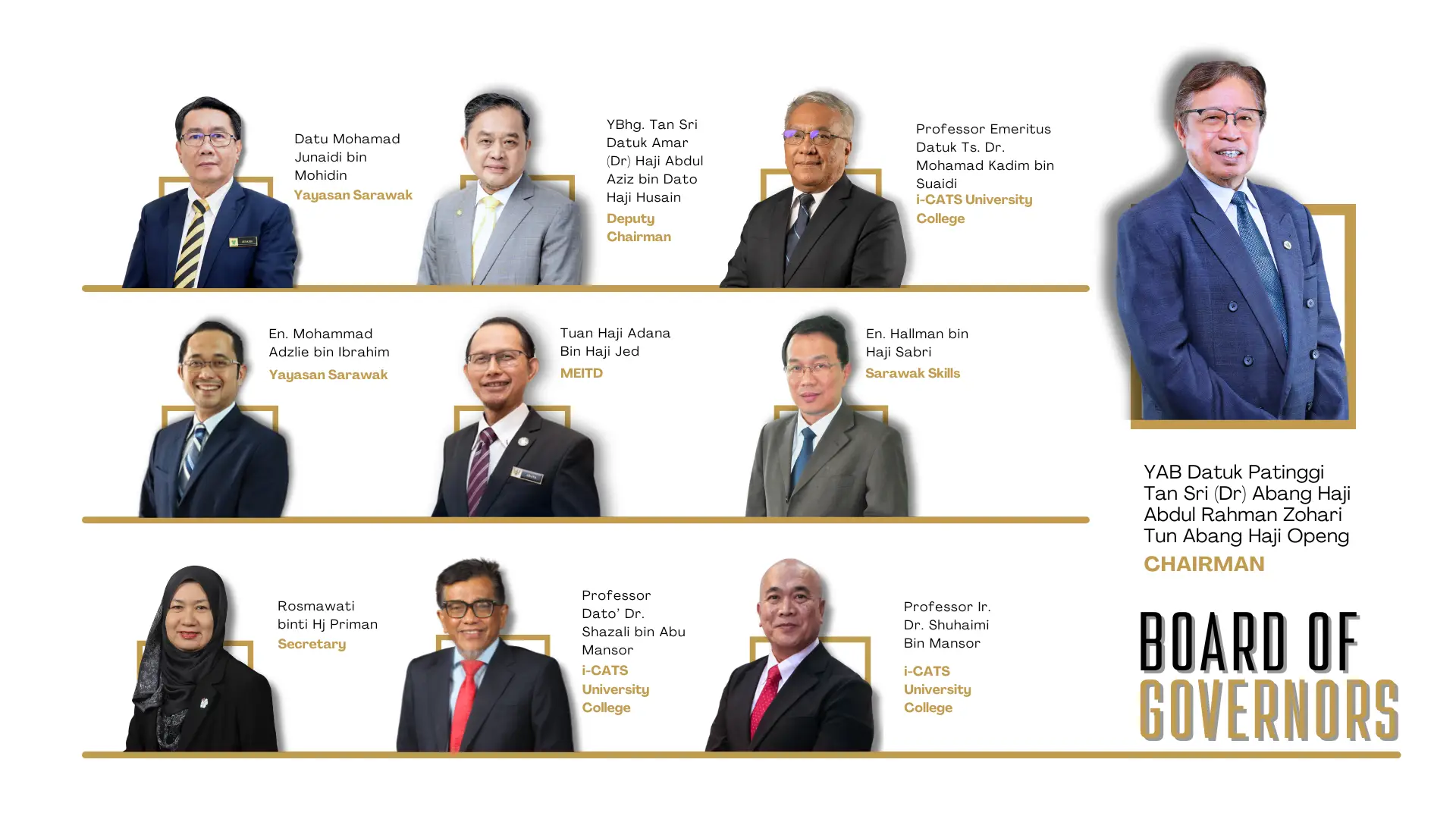
i-CATS UC now stand strong under both Yayasan Sarawak and Sarawak Skills and will continue to serve the young generation of Sarawak in optimizing their potentials.
INTEGRITY
COLLEGIALITY
AGILITY
TRUSTWORTHY
SUSTAINABILITY
I
C
A
T
S
INTEGRITY
COLLEGIALITY
AGILITY
TRUSTWORTHY
SUSTAINABILITY
Mission
To provide accessible and equitable, industry-driven and future-ready education and research.
Vision
A transformative university that empowers learners, advances industries and contributes to sustainable growth.
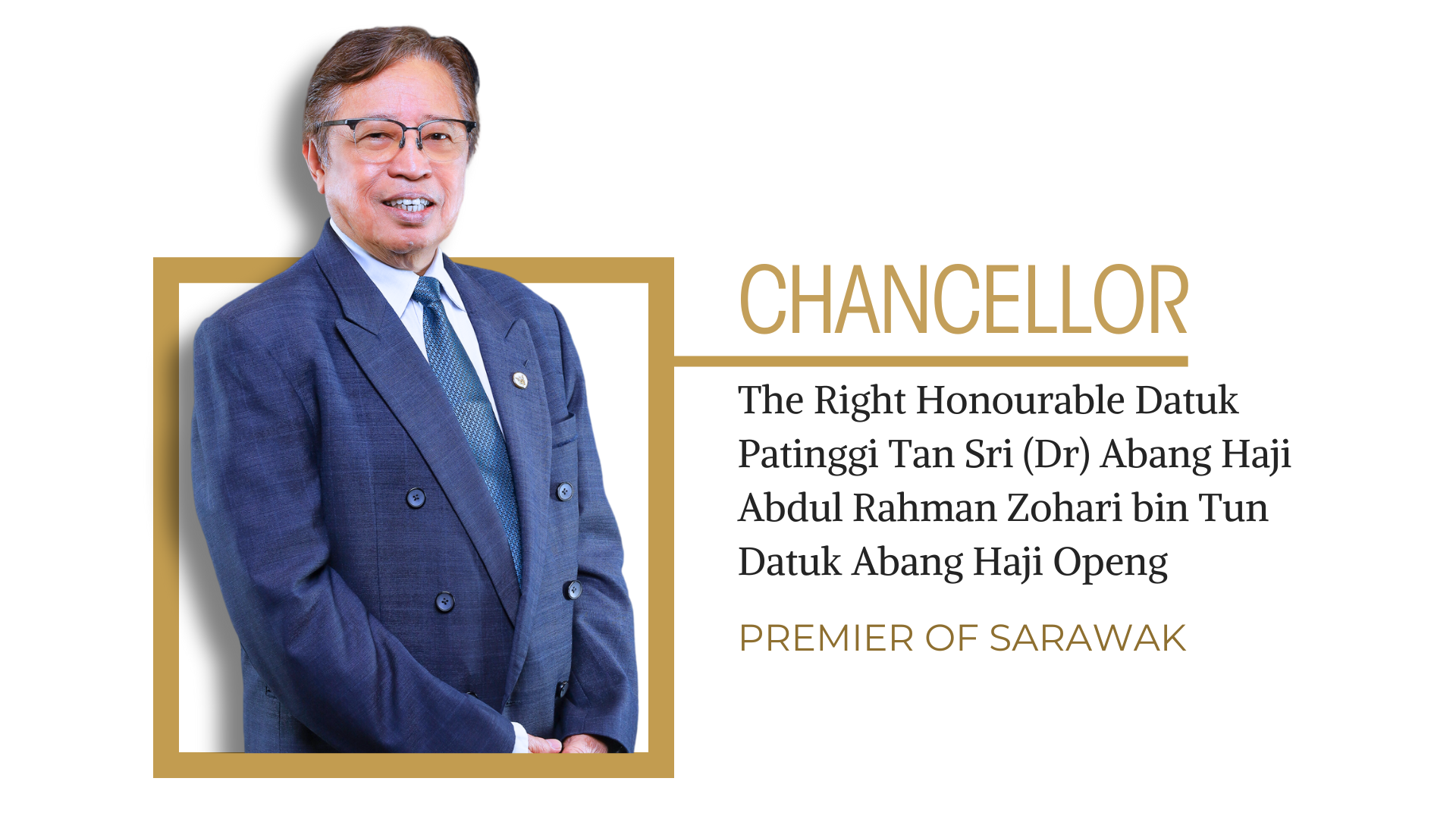
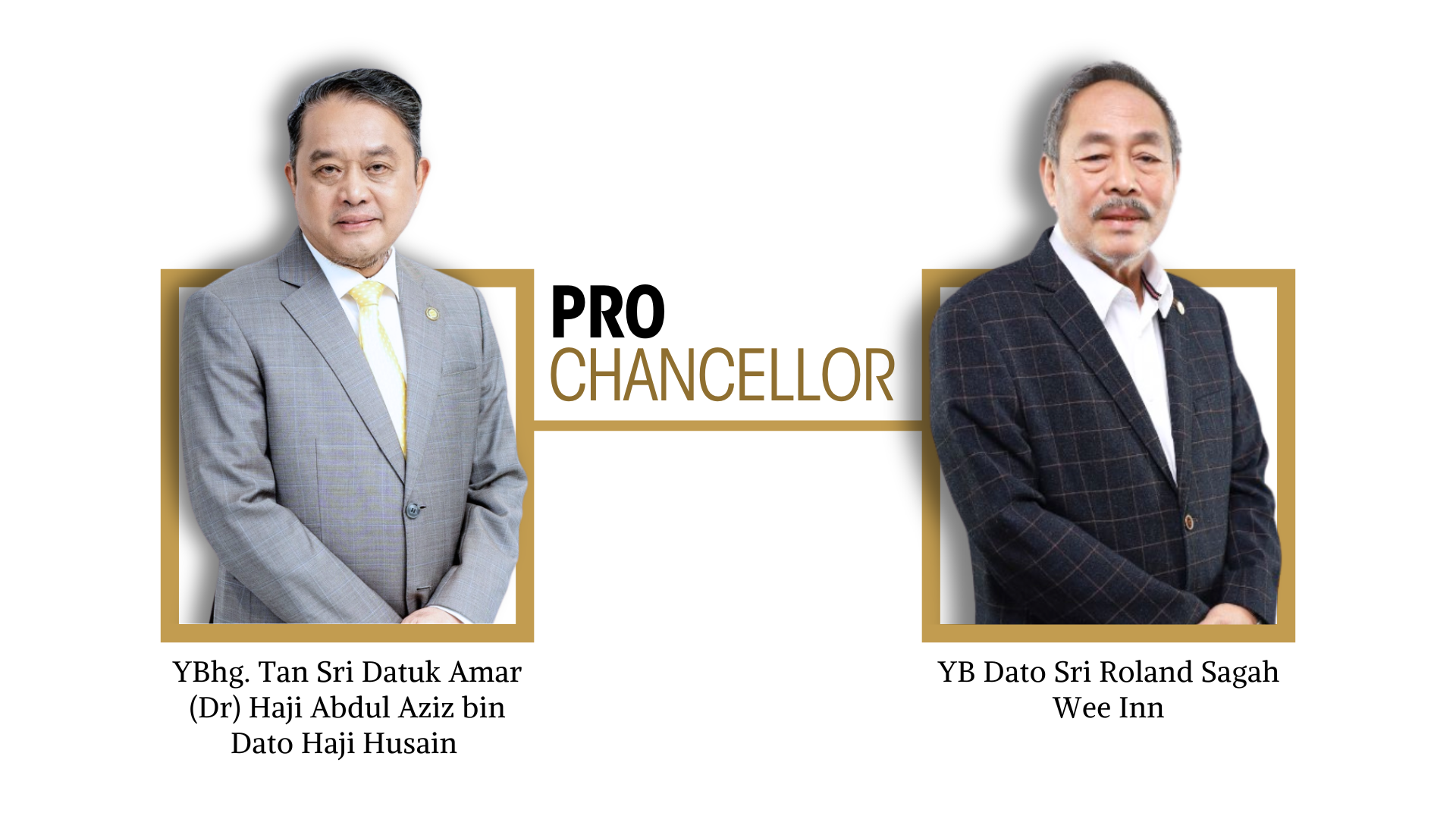
Our Management
Quality Policy Statement
i-CATS University College is committed to implementing an effective and continuous Quality Management System to ensure the delivery of quality education and research that is accessible, equitable, relevant to industry needs, and future-ready, in line with sustainable growth aspirations.
Quality Management Objectives
75% of staff participate in training or continuous professional development annually;
100% of internal audit findings and complaints are addressed through corrective and preventive actions within the stipulated timeframe;
100% of identified key risks are managed with mitigation plans and sustainable initiatives integrated into operations and strategic planning;
100% of Nonconformity Reports are closed within the stipulated timeframe;
100% of improvement actions are implemented within the planned period; and
100% of Management Review Reports are completed within the planned timeframe.
Quality Management Policies
Implement and maintain a systematic, documented, and periodically reviewed Quality Management System with clear roles and responsibilities;
Consider and manage stakeholder feedback in the continual improvement of the quality system;
Conduct internal audits, performance monitoring, and data analysis on a regular basis, and take corrective and preventive actions based on audit findings, complaints and feedback;
Ensure staff possess the required competencies through continuous training and evaluate its effectiveness to support a culture of quality and innovation; and
Identify, assess, and manage risks affecting the quality of education and research while integrating sustainable practices into the university’s management, operations, and strategic planning.